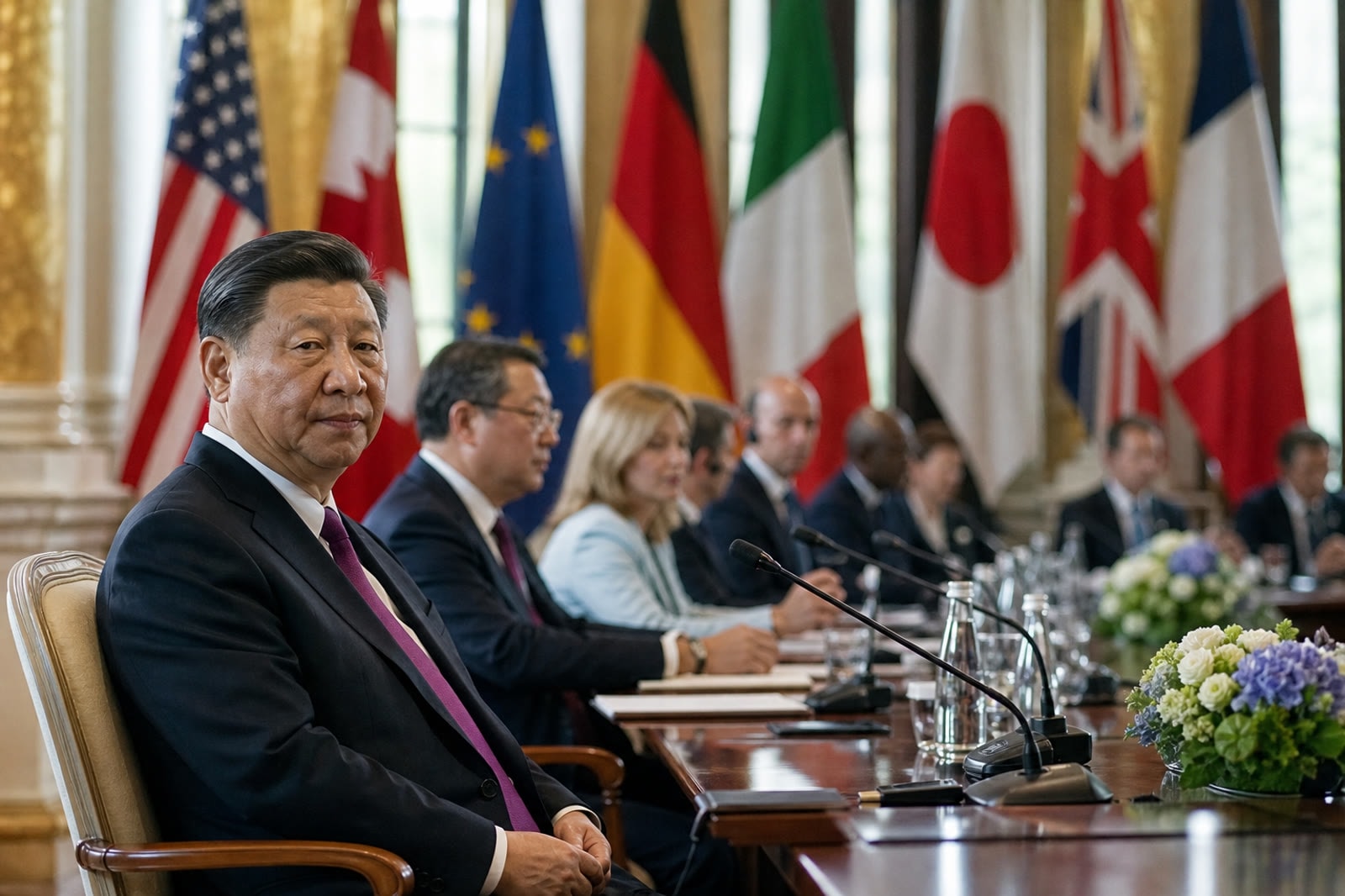
GENEVA — Senior trade negotiators from the world’s two largest trading blocs resumed face-to-face talks on Friday for the first time since discussions collapsed in late June, raising cautious hopes of a de-escalation in a dispute that has rattled supply chains and unsettled allies.
The talks, held behind closed doors at a lakeside villa, are expected to run through the weekend. Officials familiar with the agenda said the first session focused on the narrowest and most tractable issue: a mutual rollback of the retaliatory duties imposed on agricultural goods this spring.
Diplomats on both sides were careful to manage expectations. “Nobody is talking about a grand bargain,” said one European official, speaking on condition of anonymity. “We are talking about stopping the bleeding.”
The dispute traces back to February, when new levies on electric vehicles triggered a cascade of tit-for-tat measures that now covers goods worth an estimated $310 billion in annual trade.
Both delegations know the arithmetic: every month the tariffs stand, the harder they become to unwind.
The economic costs have become harder to ignore. Container volumes on the affected routes are down 11 percent year on year, and manufacturers on both sides have warned of production cuts if key components remain subject to duties into the autumn.
Business groups greeted the resumption of talks with relief tempered by fatigue. “We have seen this movie before,” said the head of one exporters’ association. “What industry needs is not another communiqué but a schedule with dates on it.”
People close to the negotiations say a limited agreement — covering agriculture and a standstill on new measures — could be announced as early as next week if the weekend sessions go well. A broader settlement, they concede, remains months away at best.