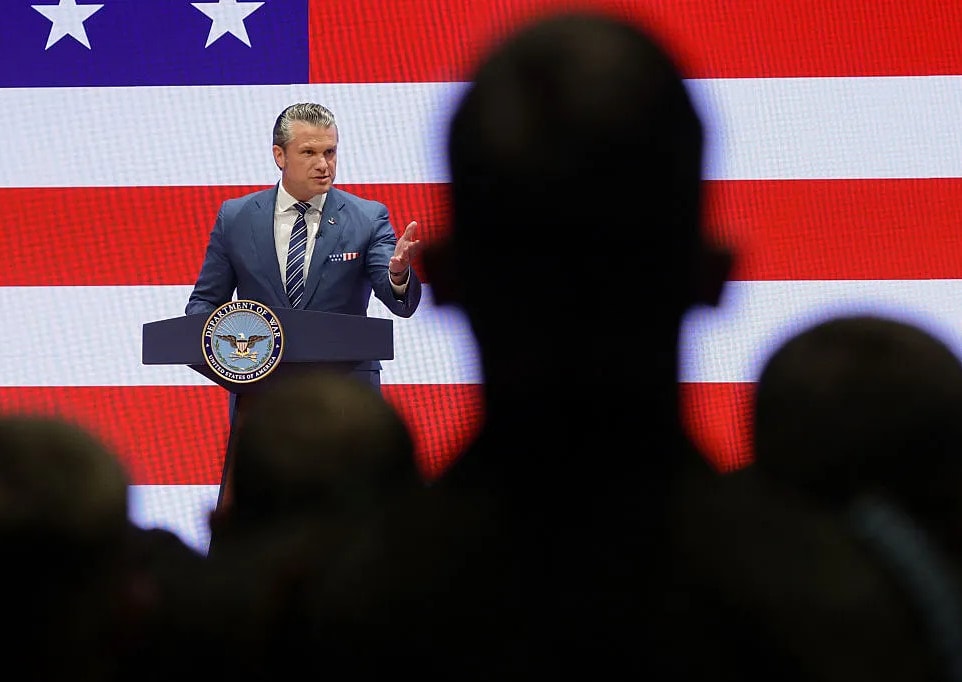
Defense Secretary Pete Hegseth has launched a 120-day study on the future of warfare, naming Elon Musk, Palmer Luckey and Newt Gingrich to lead it. The review is meant to help the Pentagon decide which technologies and operating concepts should guide U.S. military planning. The choice puts two of the department’s most prominent private suppliers at the center of a process that could influence what it buys next.
Musk’s SpaceX already provides launch services and satellite communications used by the U.S. government. Luckey’s Anduril builds autonomous systems, sensors and mission software for the armed forces. Both firms have spent years arguing that the Pentagon should move faster toward unmanned platforms, software and commercial space.
That overlap is the core of the controversy the study is likely to attract. A review of future combat is expected to emphasize drones, space-based networks, artificial intelligence and rapid software development. Those are the same markets in which SpaceX and Anduril already compete for Pentagon contracts.
The Pentagon has not published a full public charter for the work, including how recommendations will be screened for conflicts of interest.
Gingrich, a former speaker of the House, does not run a comparable defense contractor. His inclusion adds a political and historical voice to a group otherwise dominated by technology executives with current government business. The three men also have known ties to the current administration, which helps explain their selection even as it raises questions about independence.
The Pentagon has not published a full public charter for the work, including how recommendations will be screened for conflicts of interest. Any findings would still have to move through the department’s budget, requirements and acquisition systems before they become policy. The compressed 120-day timeline leaves little room for a traditional interagency study, which is part of the point and part of the risk.