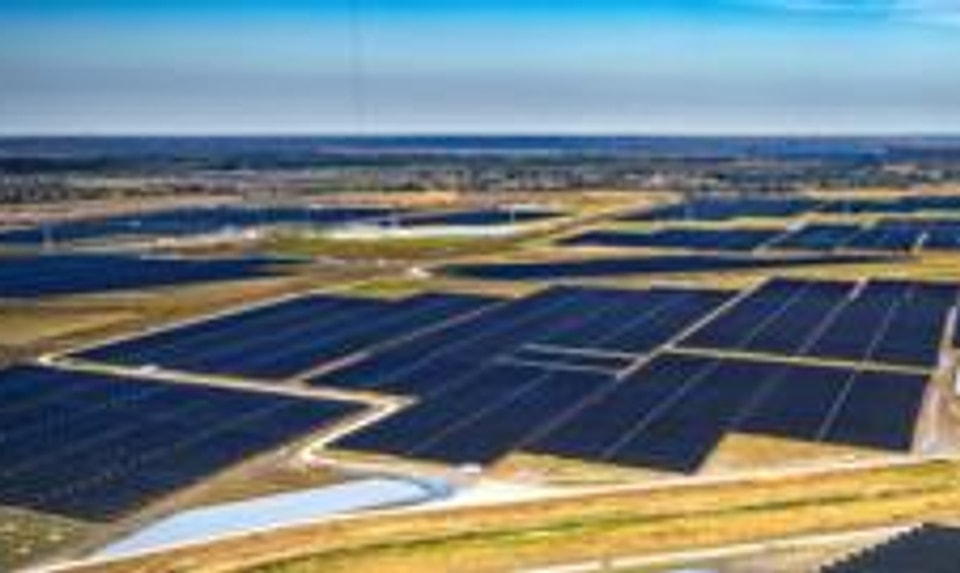
Texas, long the dominant U.S. producer of oil and natural gas, now generates more electricity from solar farms than any other state. The change has arrived less from a statewide climate mandate than from land, markets and cheaper hardware. Utility-scale arrays now occupy stretches of West Texas and other rural counties once known mainly for drilling and ranching.
The state’s competitive wholesale market, run by the Electric Reliability Council of Texas, lets independent generators sell solar output without the long-term utility contracts common elsewhere. Strong sun, relatively inexpensive acreage and federal tax credits have improved project economics. Developers have treated Texas as a commercial opportunity, not a political experiment.
Fossil fuels remain central to employment, tax revenue and the power mix. Solar’s rise has been additive: it has expanded generation rather than displacing the oil-and-gas complex that still defines Houston and the Permian Basin. Many landowners have leased fields for panels, adding a predictable rent stream alongside cattle, and in some areas, wind turbines.
Oil and gas still dominate the Texas economy. Solar has grown beside them, not in their place.
The boom has also exposed limits. Transmission has lagged new plants in some corridors, and operators must balance variable solar on a grid that is largely isolated from the rest of the country. After the 2021 winter blackouts, lawmakers tightened reliability rules even as more solar continued to interconnect.
For investors, Texas is a test of whether solar can scale on price in a fossil-fuel stronghold. Further growth will hinge on interconnection queues, new power lines and the durability of federal incentives—not on a single narrative about the state’s energy identity.