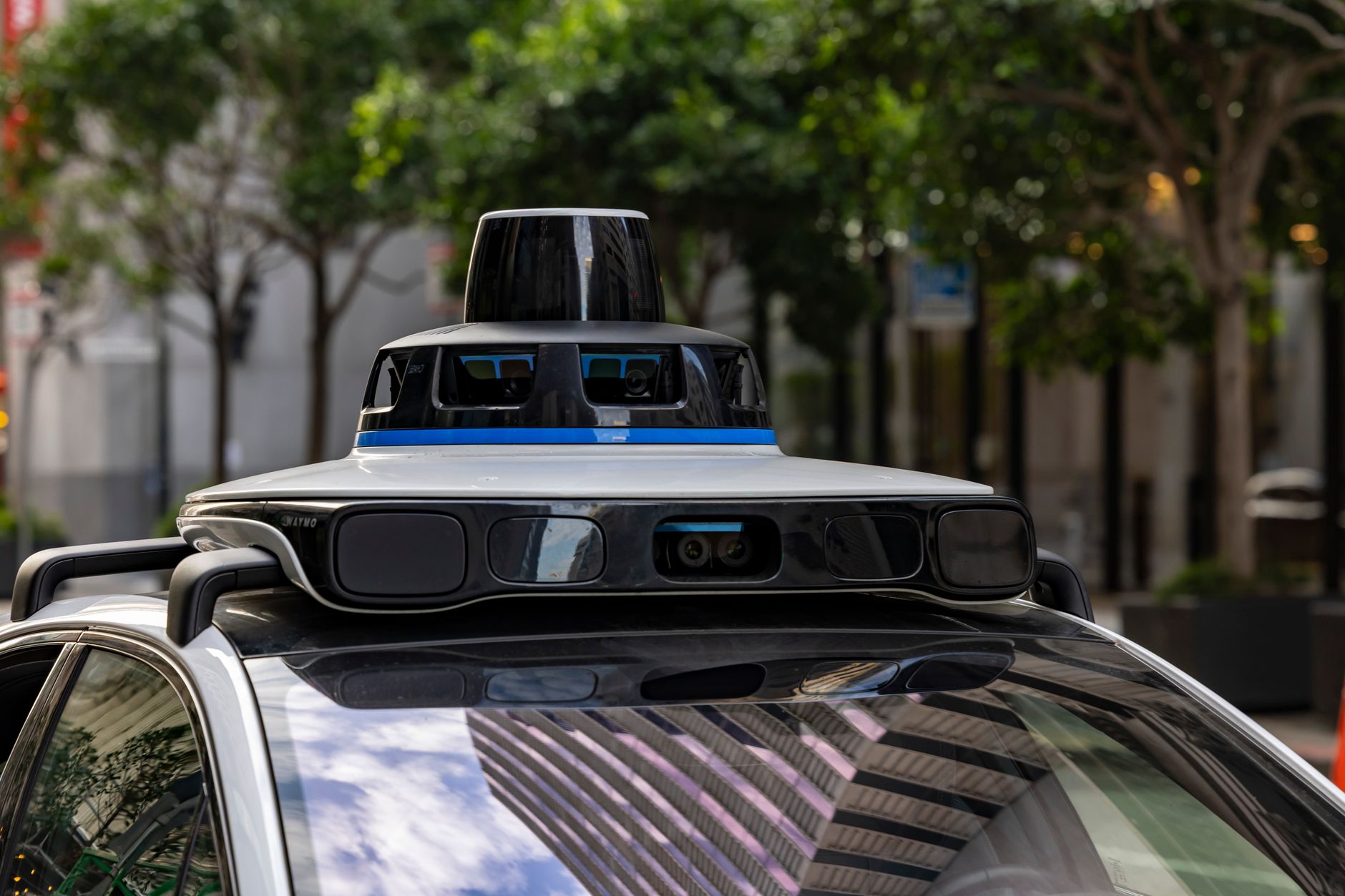
The Idaho National Laboratory is examining lidar sensors made in China for possible security vulnerabilities. The Department of Energy facility is conducting the assessment on hardware used in vehicle perception systems. Industry backers in the electric and self-driving vehicle sector are paying for the work.
Lidar uses pulsed lasers to measure distance and build a three-dimensional view of the area around a vehicle. The sensors are a core input for many autonomous driving stacks now in testing and limited deployment. They sit at the junction of physical safety and networked software.
Companies developing electric and autonomous vehicles have a practical interest in whether those sensors can be exploited. A compromised unit could feed false ranging data into a vehicle’s control software. The laboratory’s review is focused on unauthorized access and hidden functions rather than on cost or ranging accuracy.
Industry backers in the electric and self-driving vehicle sector are paying for the work.
Idaho National Laboratory has a long record of cybersecurity and critical-infrastructure research. Its staff routinely test commercial devices that could affect transportation or energy systems. Assessments of this type typically inspect firmware, communications interfaces, and remote-update paths.
Autonomous programs rely on a mix of cameras, radar, and lidar drawn from global suppliers. Security reviews of imported components have become more common as those systems move closer to public roads. The current examination does not address broader trade or industrial-policy questions.