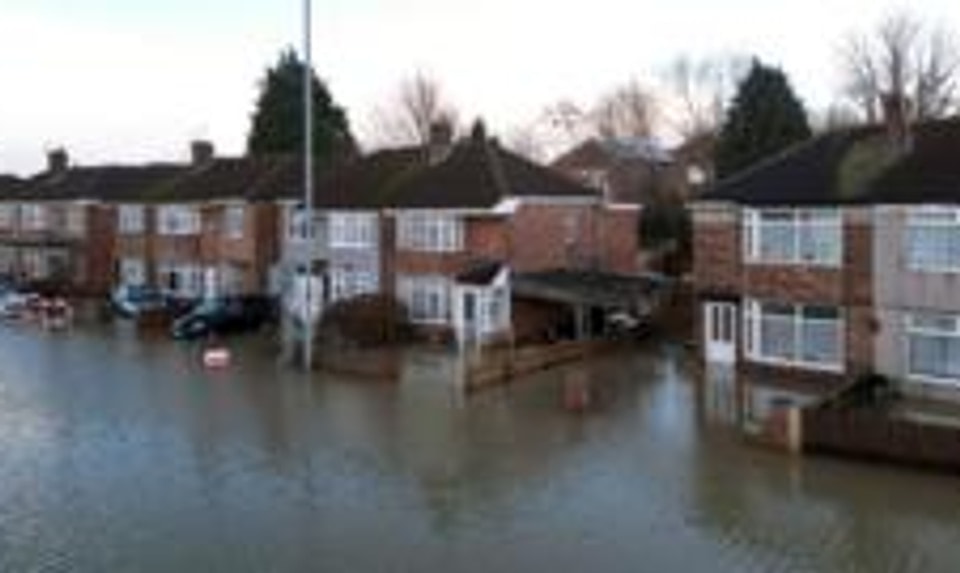
Amanda Blanc, chief executive of Aviva, said England is "for sure" building homes that might become uninsurable because of flood risk. The warning from one of the country’s largest insurers, reported by the BBC, treats new housing as a future underwriting problem, not only a planning one.
Property insurers decide whether to offer cover, and at what price, after assessing flood exposure. Homes in higher-risk locations can attract higher premiums, tighter terms, or a decision not to insure. Blanc’s comments suggest some developments now being approved could later fall outside standard cover.
Mortgage lenders in the United Kingdom generally require buildings insurance, so a lack of cover can impede sales and borrowing. Flood risk is no longer treated as a narrow riverside issue; surface water and more frequent extreme rainfall have widened the areas underwriters watch. That shift raises the cost of getting development wrong.
England is "for sure" building homes that might become uninsurable because of flood risk.
Blanc did not publish a count of at-risk homes or a date by which cover might be withdrawn. The remark is a directional warning: if construction continues in places insurers expect to flood more often, more properties may become difficult or impossible to insure.
The practical pressure falls on planners, developers, and buyers who assume insurance will remain available for the life of a house. Aviva’s intervention does not settle how planning policy should change, but it makes the insurance constraint harder to treat as a distant technicality.