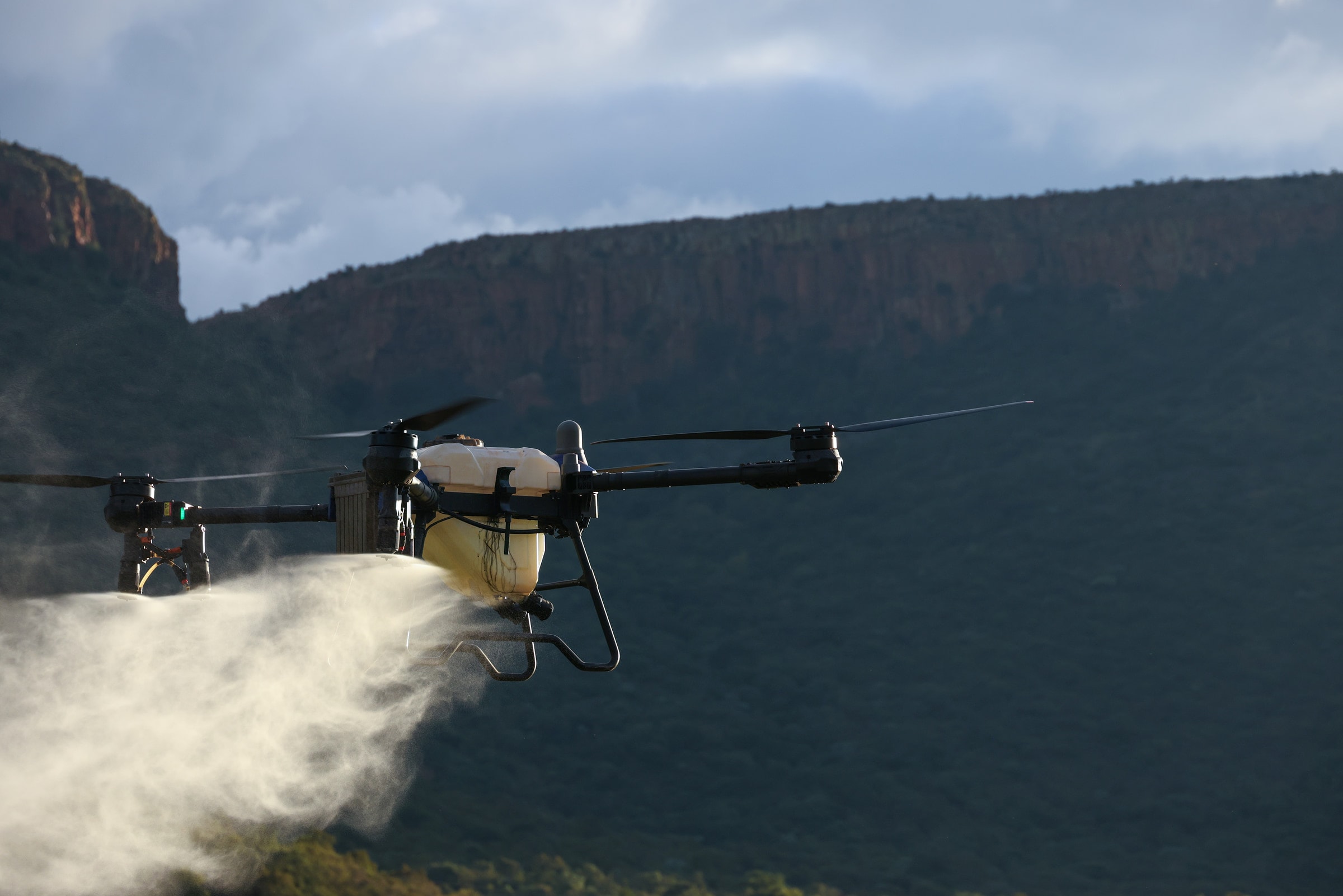
Autonomous crop-spraying aircraft are already operating in rural airspace, giving agriculture an early lead in pilot-free flying. Airlines and regulators are still weighing how far crew reductions can go in passenger service. The more immediate question is which missions will be allowed to fly without a pilot first, and on what terms.
Crop spraying is a practical testbed because the work is repetitive, geographically bounded, and conducted away from dense traffic. Operators can follow planned paths over known fields, apply chemicals with more consistent coverage, and recover the aircraft at the end of a pass. Labor shortages in rural areas and pressure to use pesticides and fertilizer more precisely have also improved the business case relative to passenger aviation, where certification and public acceptance set a higher bar.
Aviation authorities still treat most uncrewed systems as a class apart from crewed airliners. Detect-and-avoid capability, reliable communications, and procedures for lost contact or bad weather remain central to any wider rollout. Insurers and manufacturers must also assign liability when no pilot is on board, which helps explain why autonomy is advancing in agriculture and limited cargo trials while remaining tightly constrained in commercial passenger fleets.
The first commercially useful self-flying planes are not airliners. They are crop sprayers working low over fields.
For aerospace suppliers, the near-term market is less about emptying cockpits than selling sensors, software, and airframes built for uncrewed work. Farm operators, for their part, face capital costs, training, and rules on where and when such aircraft may fly. Any broader change in the skies is more likely to arrive as a patchwork of specialized missions than as a sudden shift in how people travel.
Passenger self-flying aircraft remain a longer-term prospect, dependent on regulators, labor, and public trust as much as on engineering. Crop-spraying fleets will not by themselves remake commercial aviation. They do show that autonomy is already commercial in niches where the risk, the route, and the return on investment line up.