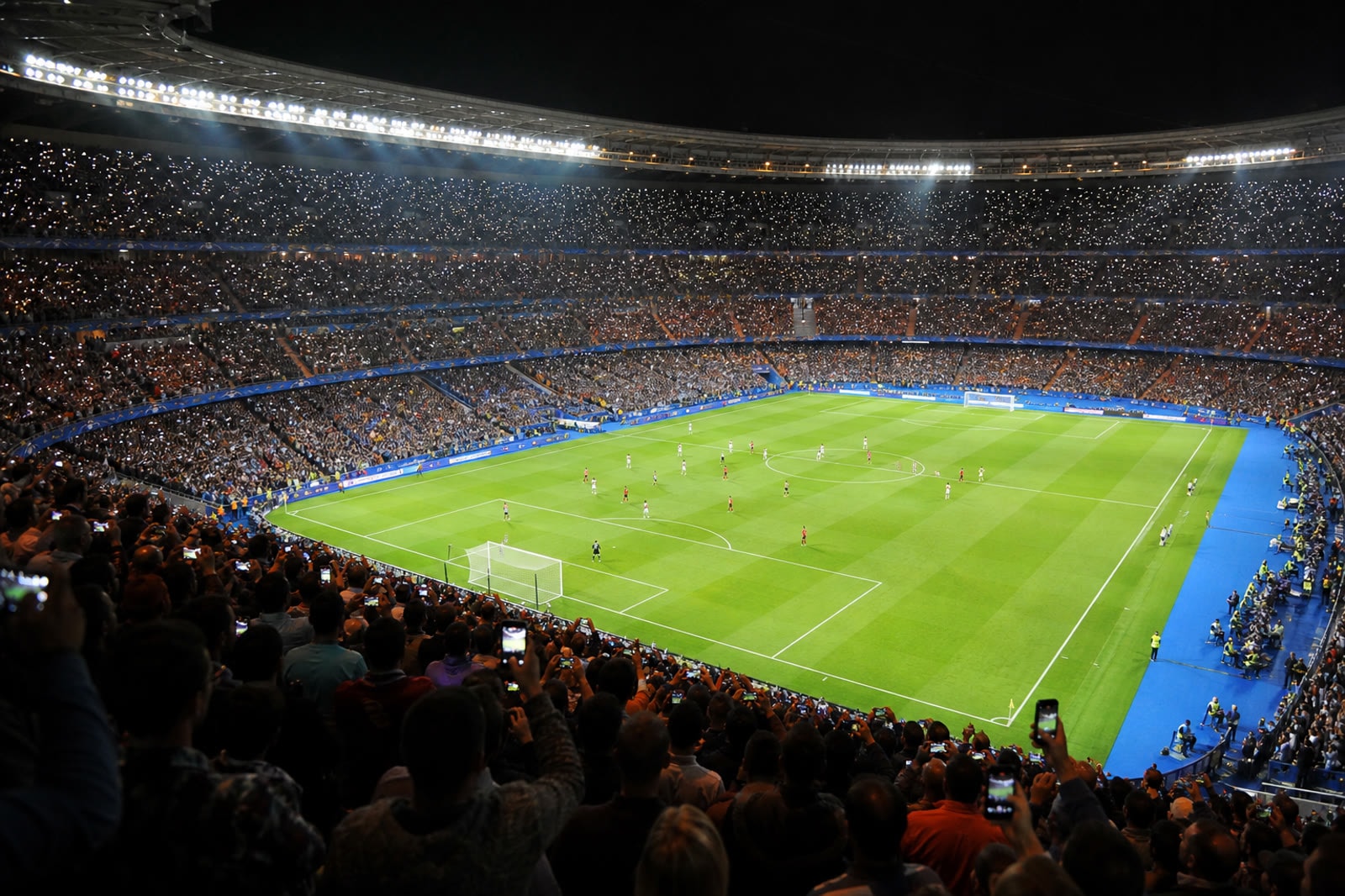
The goal arrived in the 94th minute, struck first time from the edge of the area, and for a moment the stadium made no sound at all — the silence of 82,000 people processing what they had just seen. Then the noise came, and it did not stop for an hour.
Finals are decided by fine margins, but rarely has a single kick carried so much freight. The winner sealed a first championship in 41 years for a club that began the season among the relegation favorites, completing what bookmakers rate the most improbable title run in the league’s history.
The immediate celebrations belonged to the players and their supporters, many of whom had traveled without tickets simply to be near the ground. The longer-term consequences belong to the balance sheet.
Preliminary figures from the league’s broadcast partners suggest a global audience approaching 500 million — a record for the competition and nearly double last year’s final. Streaming viewership in three key growth markets exceeded projections by margins executives described as “not plausible until we saw the logs.”
The numbers land at a delicate moment: the league opens negotiations on its next international rights cycle this autumn. Analysts who had projected modest growth spent the weekend revising their models upward.
For the neutral, the economics are a footnote to the story that produced them — a champion built on free transfers and academy graduates, a manager in his first senior job, and a final decided by a 19-year-old who was playing sixth-tier football two seasons ago.
“People keep asking if this changes everything,” the winning manager said, drenched and hoarse, in the tunnel afterward. “It changes nothing. It proves what was already true. The game belongs to whoever wants it most.”