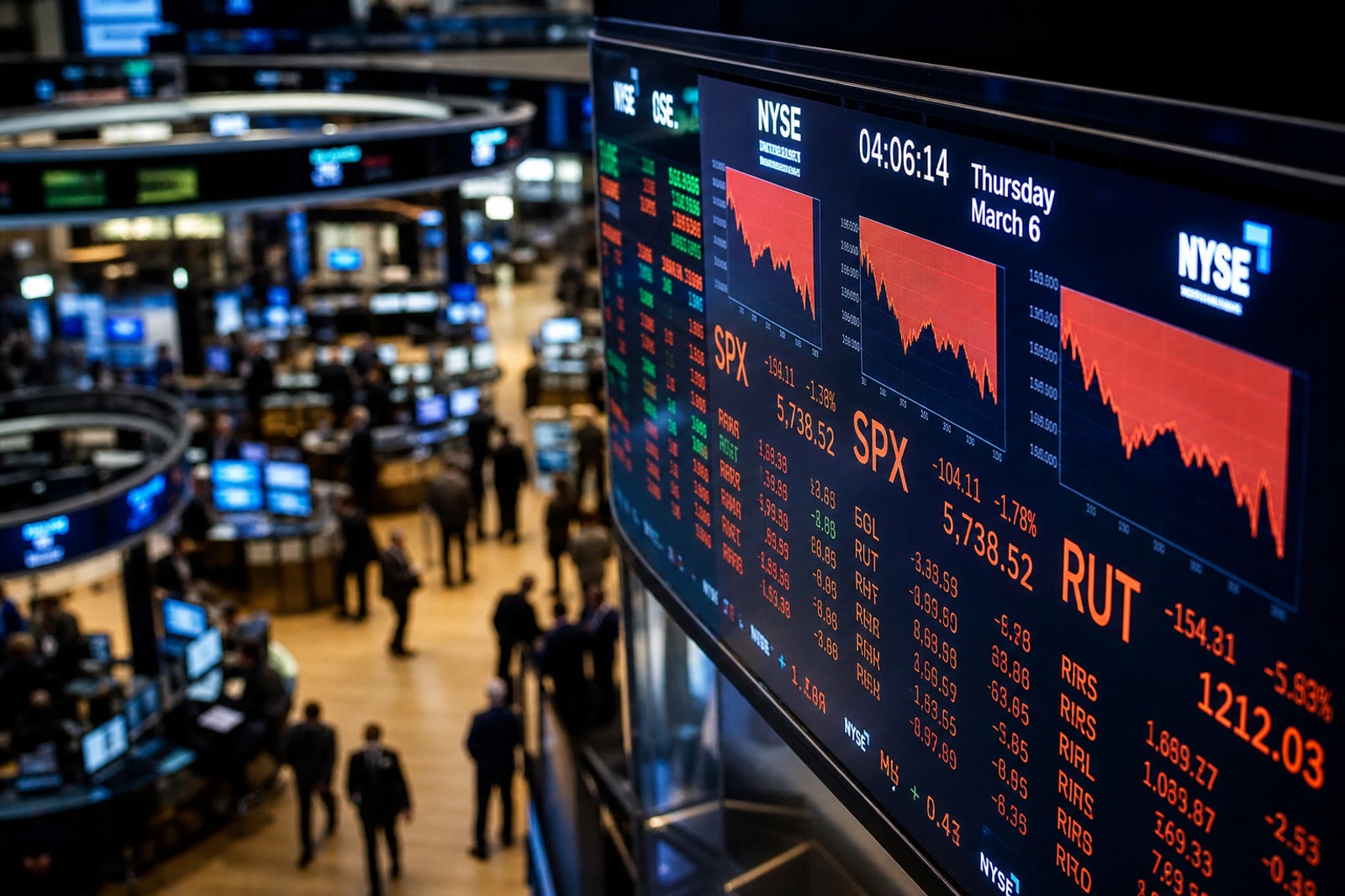
LONDON — Global equity markets closed out their strongest week in more than two years on Friday, after central bankers in Washington, Frankfurt and Tokyo delivered a set of carefully synchronized signals that the era of aggressive monetary tightening is drawing to a close.
The rally began in Asia, where exporters led the Nikkei to a record close, and gathered force through the European session. By the New York close, the broad global index had added 4.2 percent for the week — its best showing since the recovery rally of early 2024.
Behind the exuberance lies a subtle but unmistakable shift in language. In prepared remarks on Thursday, three senior policymakers independently described current policy as “sufficiently restrictive,” a phrase analysts read as the clearest sign yet that further hikes are off the table.
The bond market moved first. Yields on benchmark ten-year government debt fell sharply across developed markets, and futures traders are now pricing three quarter-point cuts over the next twelve months — up from one just a month ago.
The question is no longer whether rates have peaked, but how quickly central banks can climb down without reigniting the very pressures they spent two years subduing.
Not everyone is convinced the descent will be smooth. Services inflation remains stubborn in several large economies, and wage growth, while cooling, is still running ahead of levels most economists consider consistent with price stability.
“Markets are pricing a perfect landing,” said Priya Raghavan, head of macro strategy at a large asset manager. “History suggests landings are rarely perfect. The last mile of disinflation tends to be the longest.”
For households, the shift matters most through mortgages and credit. Lenders in several markets have already begun trimming fixed rates in anticipation, and analysts expect refinancing activity to accelerate into the autumn.
The next test comes quickly: fresh inflation prints are due in the coming fortnight on both sides of the Atlantic. A downside surprise would cement the market narrative. An upside one would test just how much of this week’s optimism was built on hope rather than data.