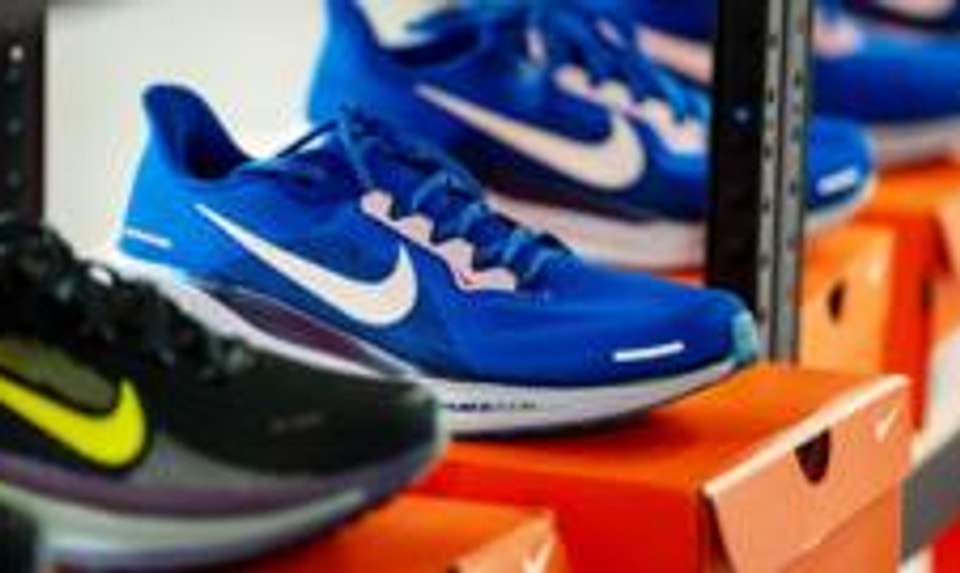
Nike, the world's largest sportswear company, has lost ground after a stretch of self-inflicted errors in how it designs, stocks and sells its products. The brand still towers over the industry by scale, yet smaller rivals have chipped away at its hold on runners, retailers and younger shoppers. The result is a company that looks less inevitable than it did a decade ago.
A central misstep was an aggressive turn toward selling more shoes and apparel directly to consumers, reducing the role of wholesale partners. That shift, associated with the tenure of former chief executive John Donahoe, left traditional retailers with thinner Nike assortments and weaker incentives to promote the brand. When post-pandemic demand slowed, Nike faced an inventory glut and a mix that no longer matched what stores and customers were asking for.
Competitors moved into the space Nike left open. Performance running labels and fashion-forward brands won over buyers who once treated the swoosh as the default. Heritage silhouettes remain commercially important, but the company has been slower to keep pace with the cushioning, shapes and drop culture that now drive much of the category.
The company looks less inevitable than it did a decade ago.
Leadership has been reset. Elliott Hill, a company veteran, returned as chief executive with a brief to repair wholesale relationships and tighten the product pipeline. The task is to restore a reputation for innovation that once made Nike the cultural reference point for sport, not merely the largest vendor of it.
The brand is not in existential trouble. It still commands unmatched athlete partnerships, a global supply chain and a logo among the most recognized in commerce. Whether that infrastructure can again be paired with the right shoes, at the right time, in the right channels, will determine how quickly Nike recovers the momentum it spent years giving away.